

Ceramic Care Instructions
Most of our ceramics are handmade or hand-finished with love and care. The more you use your ceramics, the more they will develop your own personal and unique character. To maintain the quality of your piece and ensure its longevity, please take good care of your ceramics. Allow us to guide you through how you can look after your piece. For more information about the characteristics of our ceramics, please refer to this page.
PORCELAIN AND POTTERY
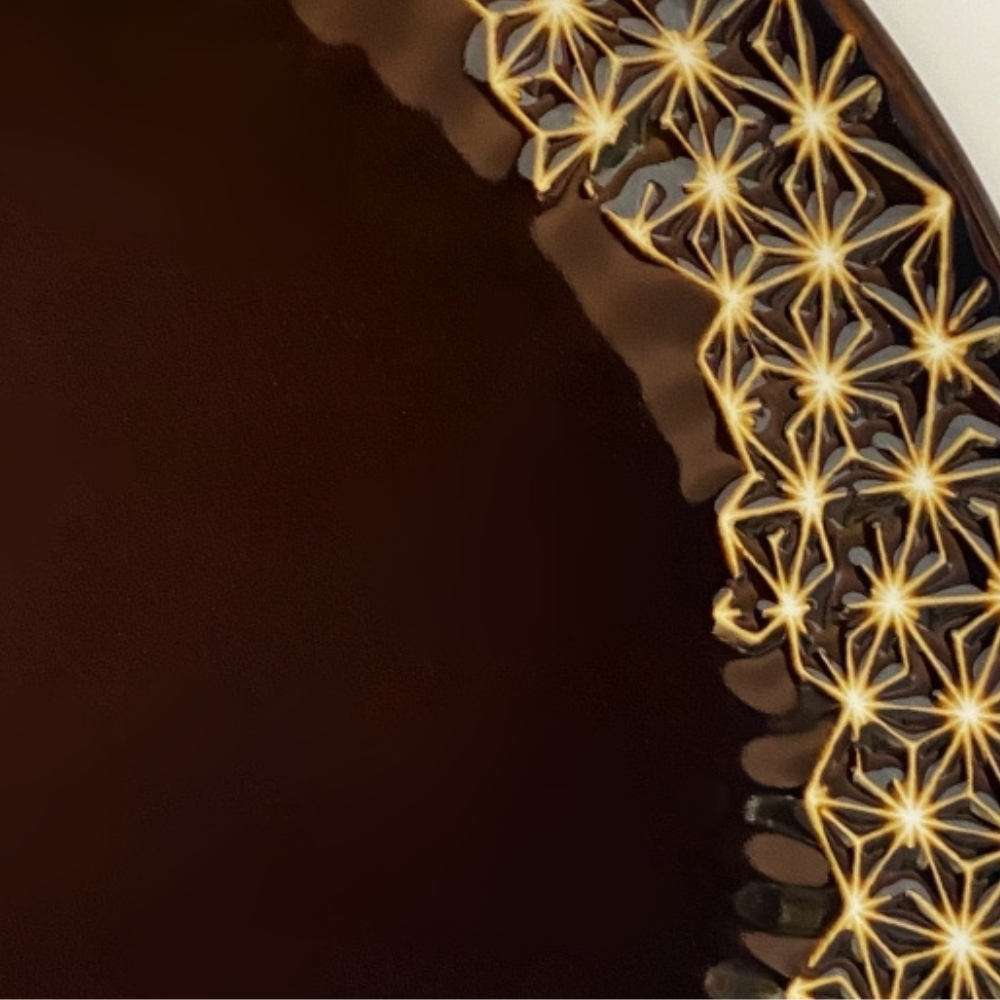
Porcelain
Porcelain is made from a blend of crushed porcelain stone, feldspar, and silica stone mixed with clay containing small impurities such as kaolin. This mixture is fired at exceptionally high temperatures, resulting in a strong, lightweight, and non-porous material.
Due to its density and low water absorption, porcelain is generally durable and water-resistant, making it suitable for everyday use with minimal special care.
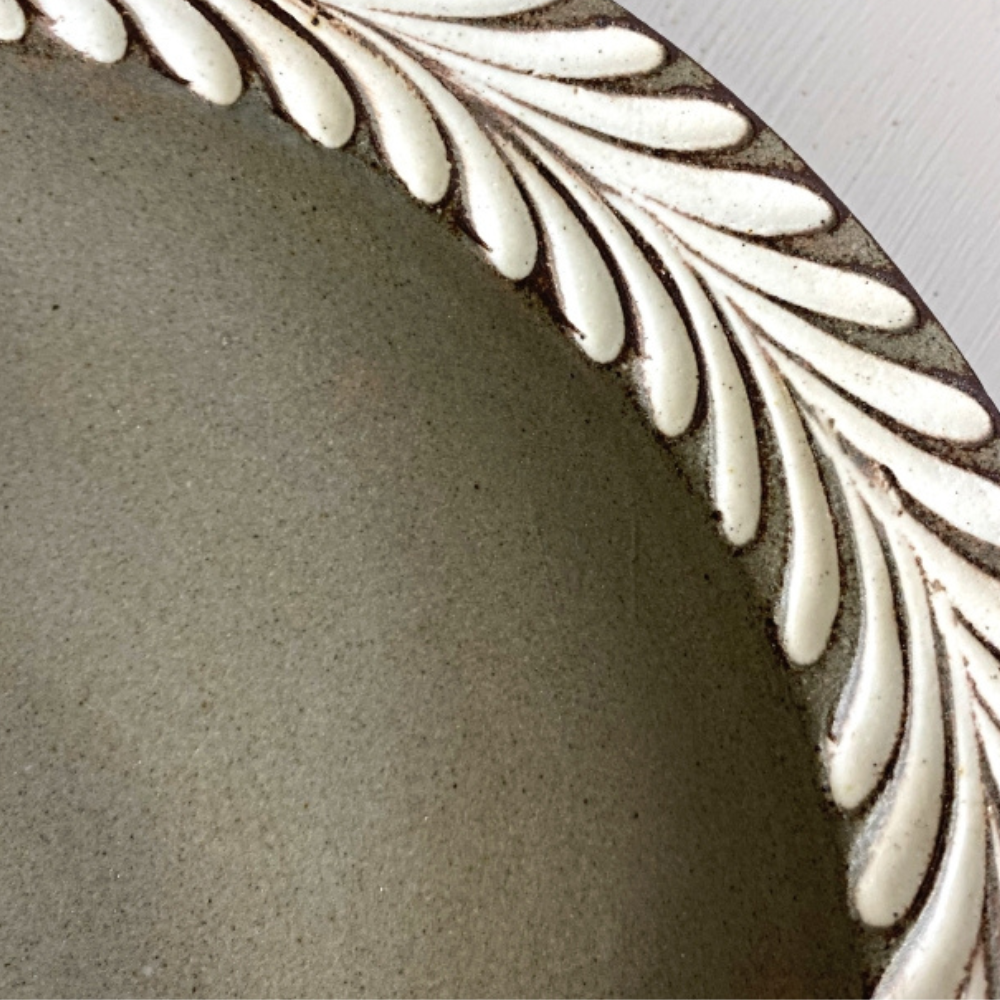
Pottery
Pottery is crafted from natural clay and fired at lower temperatures than porcelain. Once shaped, some pieces are finished with a glaze (often referred to as yuyaku), creating a glass-like surface that makes the pottery waterproof.
There are also pottery pieces that are left partially or fully unglazed. As these are fired at lower temperatures, they remain porous, characterised by small air holes that allow them to absorb moisture. Due to this porous nature, extra care is required.
Before First Use
Some pottery, particularly porous or unglazed pieces, may benefit from a traditional sealing method known as medome (目止め).
This process helps reduce moisture absorption and minimise staining or odour transfer from food or liquid. While not mandatory, it may be considered if you wish to provide extra protection for your pottery.
Medome (Sealing technique - for pottery)
Traditionally, rice water (the water used to rinse rice) is used, as it contains natural starch. If rice water is not available, flour or potato starch may also be used.
How To
1. Begin by placing a clean cloth at the bottom of the pot, followed by arranging your pottery. Pour enough agitated rice water (if using flour, mix 1-2 tbsp into the water) to cover all the pottery. When placing multiple plates or bowls at the same time, be sure to insert a cloth or paper towel between each piece to prevent breakage.
2. Gradually bring the mixture to a boil, starting from low heat, and then simmer over low heat for approximately 15-20 minutes. It's crucial to note that boiling on high heat may cause the bottom of the pot and the tableware to collide, leading to potential cracks.
3. Turn off the heat and allow the contents to cool down slowly. Take out your pottery and wash it thoroughly.
4. Wipe each piece with a clean, dry cloth and let them air dry.
BEFORE PLATING
Dry pottery readily absorbs liquid, which may lead to staining.
As a simple preventive measure, lightly soak the pottery in water before use, gently wipe off excess moisture, and then proceed to plate food.
AFTER USE
- Hand wash gently using a soft sponge or cloth and mild detergent.
- While some items may be dishwasher safe, handwashing is recommended to ensure longevity.
- Allow items to air dry thoroughly before storing, as moisture trapped in cupboards may lead to mould or musty odours.
MICROWAVE AND OVEN
Pleae refer to each product's page and check in advance whether it is compatible with the microwave and oven, as usage and precautions may vary depending on the ceramic. It's essential to remember that sudden changes in temperature, such as placing your item from the freezer to the oven, are likely to cause thermal shock, leading to potential cracks and breakages. Always place very hot items onto either wood or cloth
STAINS, ODOURS AND MOULD
Even with proper care, ceramics may occasionally develop stains, odours, or mould. In such cases, you may try the following:
・Gently simmer the item in hot water, keeping it at a low boil. For more thorough cleaning, consider adding lemon juice, vinegar, or baking soda to the water.
・For tea or coffee stains, add 1 tsp of salt onto a wet sponge and gently wash the items.
・Ensure items are completely dry before storage.
LASTLY..
Ceramics are made to be used and enjoyed over time. While we cannot guarantee their longevity, gentle handling and proper care will help your ceramics age beautifully and remain part of your everyday table for many years to come.